
Toys and Juvenile products
Efficient and systematic quality control is critical in this industry.
A highly regulated industry
The toy and juvenile products industry is highly regulated and it’s legislation evolves regularly. We address our client’s needs thoroughly in terms of understanding legal requirements and perform the right laboratory testing for their products.
Thanks to its team of specialized technicians and engineers, LPI has a complete expertise in the toy industry to help you mitigate the risk of poor quality.
For both softltine and hardline toys, our know-how will add up to your product knowledge to design the best inspection checklist possible.
Our factory audit solutions will complement your needs to ensure your supplier's Quality Management System meets your expectations.
LPI is the right partner, wether your are trying to meet a specific international standard or design your own ethical chart.
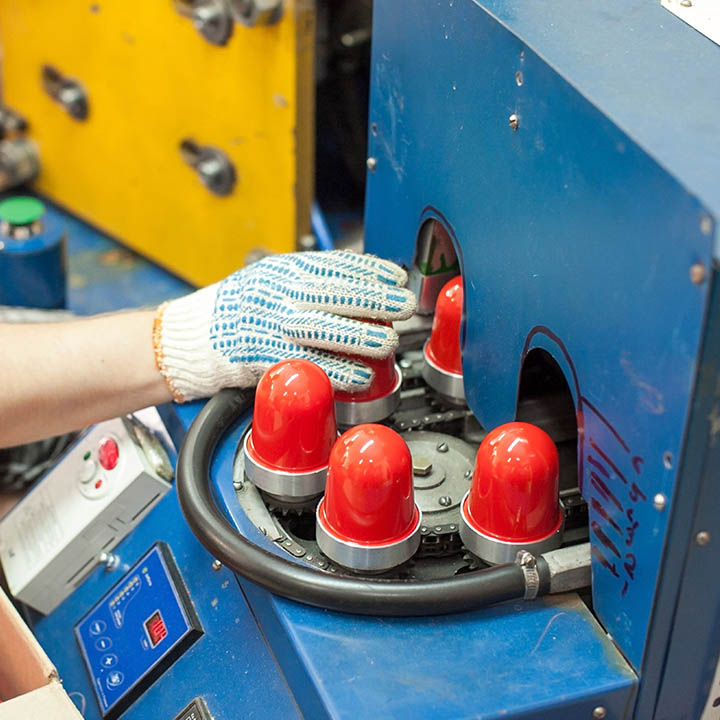
For every product new tests are required all the time
Baby walking frame
- Full analysis
- NF EN 1273 (2005)
- Partial analysis
- NF EN 1273 (2005)
- Specific test
- NF EN 1273 (2005) §5.12 - prevention of falls down steps
Table mounted seat
- Full analysis
- NF EN 1272 (1998)
- Partial analysis
- NF EN 1272 (1998)
Reclined cradle
- Full analysis
- NF EN 12790 (2009)
- Partial analysis
- NF EN 12790 (2009)
Baby bouncer
- Full analysis
- NF EN 14036 (2004)
Cribs
- Full analysis
- NF EN 1130-1 (1996), NF EN 1130-2 (1996)
- Partial analysis
- NF EN 1130-1 (1996), NF EN 1130-2 (1996)
Baby swing
- Full analysis
- NF EN 16232 (2013)
- Partial analysis
- NF EN 16232 (2013)
Travel cot
- Full analysis
- NF EN 716-1 (2008) + A1, NF EN 716-2 (2008) + A1
- Partial analysis
- NF EN 716-1 (2008) + A1, NF EN 716-2 (2008) + A1
High chair
- Full analysis
- NF EN 14988-1 (2006) + A1, NF EN 14988-2 (2006) + A1
- Partial analysis
- NF EN 14988-1 (2006) + A1, NF EN 14988-2 (2006) + A1
Bath thermometer
- Full analysis
- NF S 54-042 (2012)
Children bathtub
- Full analysis
- XP S 54-044 (2003)
Children’s slings
- Full analysis
- CEN/TR 16512 (2015)
Non-electrical toys
- Full analysis excluding §4.18 & §4.15.1.3
- EN 71-1 (2014) & EN 71-2 (2011) + A1
- Specific test : in-water floatability test
- EN 71-1 (2014) §4.18 & EN 15649
- Specific test : dynamic strength test
- EN 71-1 (2014) §4.15.1.3
Additional option for plush toys
- Directive 2009/48/EC
- Washing/drying procedure
- +
- EN 71-1 & EN 71-2
Electric toys
- Full analysis excluding §20
- EN 62115 (2005) + A2 + A11
- Partial analysis
- EN 62115 (2005) + A2 + A11
Paddling pools
- Full analysis
- EN 71-8 (2011)
Toy play house
- Full analysis - excl. 6.4 (dynamic strength of barriers)
- EN 71-8 (2011)
837 dangerous toys and juvenile products flagged in the EU
Products pulled from the European market by the authorities in 2025.
Explore the alerts and photos- Made in China
- 81%
- Rejected at the EU border
- 121
- Recalled from consumers
- 310
- Main hazards
- Choking 395Chemical 264Injuries 92
- Standard most often failed
- EN 71-1 quoted in 338 alerts
What inspections keep finding on toys
From January 2023 to October 2026, 2,817 toys and childcare articles were the subject of a Safety Gate alert in the EU, and 1,071 of a recall in France since January 2022. The same defects come back year after year, product family by product family.
| Product | Cases | Typical defect | Standard most often cited | What an LPI inspection checks |
|---|---|---|---|---|
| Soft toys | 399 EU alerts87% made in China154 recalls in France | Eyes, noses or accessories that come off in the tension test; seams too loose, letting the stuffing out. | EN 71-1 319 | Tension and torque tests on every attached part, small parts cylinder, seam strength and stuffing checks (EN 71-1). |
| Childcare articles | 320 EU alerts60% made in China137 recalls in France | Detachable small parts, openings where a child can get trapped, structures that tip over or fold. | EN 1888-1 21 | Stability, locking and load tests to the product standard (EN 1888, EN 13209, EN 14988…), openings measured, small parts test. |
| Plastic dolls | 219 EU alerts96% made in China11 recalls in France | Soft plastic (head, body) with too much phthalate, mostly DEHP, often far above the REACH limit of 0.1% by weight. | REACH 185 | Samples sent to the lab for phthalate analysis; plastic material and its test certificates checked. |
| Fancy-dress costumes | 108 EU alerts91% made in China73 recalls in France | Fabric that burns too fast (EN 71-2), cords around the neck, plastic accessories containing phthalates or heavy metals. | EN 71-2 37 | Flammability test (EN 71-2) in the lab, cord measurements, chemical analysis of plastic accessories. |
| Slime and modelling dough | 166 EU alerts89% made in China13 recalls in France | Boron above the EN 71-3 migration limit, from the borax used to make the dough set. | EN 71-3 149 | Boron migration analysis (EN 71-3) on samples taken during production; formula and warnings checked. |
| Soothers, soother holders and teethers | 141 EU alerts67% made in China30 recalls in France | Clips or beads that come off, holders too long (strangulation hazard), beaded teething necklaces. | EN 12586 61 | Holder length, tension tests on clip and beads according to EN 12586, markings checked. |
| Magnetic toys | 75 EU alerts92% made in China3 recalls in France | Strong magnets that come loose: if a child swallows several, they can attract each other through the intestinal wall. | EN 71-1 71 | Magnetic flux measurement; tension, drop and torque tests to make sure magnets stay enclosed (EN 71-1). |
Sources: Safety Gate (European Commission) and RappelConso (DGCCRF, Licence Ouverte 2.0). Product families and typical defects: keyword grouping by LPI Quality. A product may appear in both sources. These figures reflect enforcement activity, not a defect rate.
Secure your toy production
Tell us about your project, we will design the right control plan.